
Ultimate Pakistan Travel Guide (2025) – Tips, Itinerary, Where to Stay & More
When I first started planning my trip to Pakistan, I had no idea just how deeply this country would stay with me. From the glaciers I crossed while hiking to the bustling energy of Islamabad’s city, every moment felt like a discovery, not just of landscapes, but of stories, history, and incredibly kind people.
This guide is based on my own recent trip across Pakistan, packed with what I learned, loved, and would absolutely do again. I also booked several key activities through local tour companies, which made navigating some of the remote areas a lot easier. For my first few days in Skardu I toured with The Big Sky Adventures and wrapped up my trip with Ayazi Travel Guide in Hunza for the Patundas Trek.
If you’re considering a trip to Pakistan - go for it. Here’s everything I wish I had known before going.
Before you jump in, visit my Instagram post itinerary here.
General Tips
Visa & Entry
Getting into Pakistan has become much easier in recent years. Most nationalities can now apply online for a tourist visa through the Pakistan e-visa portal (visa.nadra.gov.pk). The application is straightforward, but you’ll need to provide your accommodation bookings and a rough itinerary. I received my visa within 24 hours. To note: as an American I did have to apply but I have heard that as of recently you can get in visa free. I’d suggest reaching out to an agency to get updated information.
Safety & Perception
Pakistan has had a complicated reputation. But the reality when I arrived felt very different. I traveled solo at times and also with local guides, and never once felt unsafe. That said, it's smart to stay updated through your country’s travel advisories, avoid large political gatherings, and ask locals if you’re unsure about a destination. Pakistanis are proud of their hospitality and will often go out of their way to make sure you're safe and comfortable.
What to Wear
This was one of my biggest questions before the trip. Pakistan is generally conservative, so modest dressing is key. As a female traveler, I wore loose, long pants and tunic tops. A scarf isn’t always required but is appreciated in mosques or rural areas. Men can wear jeans or trousers and t-shirts, though shorts aren’t common outside tourist spots or hiking trails.
Internet & SIM Cards
Connectivity is pretty good across the country, especially in cities. I used my Ubigi eSim card, and 4G worked in most towns, even in some mountain regions like Hunza and Skardu. If you get a sim card at the airport you’ll need your passport to register a SIM, and the whole process takes less than 10 minutes.
Money & Currency
Pakistan uses the Pakistani Rupee (PKR). Cash is king in most places, especially up north, so always keep small bills on hand. In cities, you can pay with cards in many restaurants and shops. I used ATMs from major banks without any issues.
Language & Communication
Urdu is the national language, but you’ll find many people, especially in cities and tourist areas, speak decent English. Still, learning a few Urdu greetings goes a long way. Saying “Shukriya” (thank you) and “Assalamu Alaikum” (peace be upon you) always got me a smile. In rural regions, you might need help translating, this is where your guide or tour company will be invaluable.
Cultural Etiquette
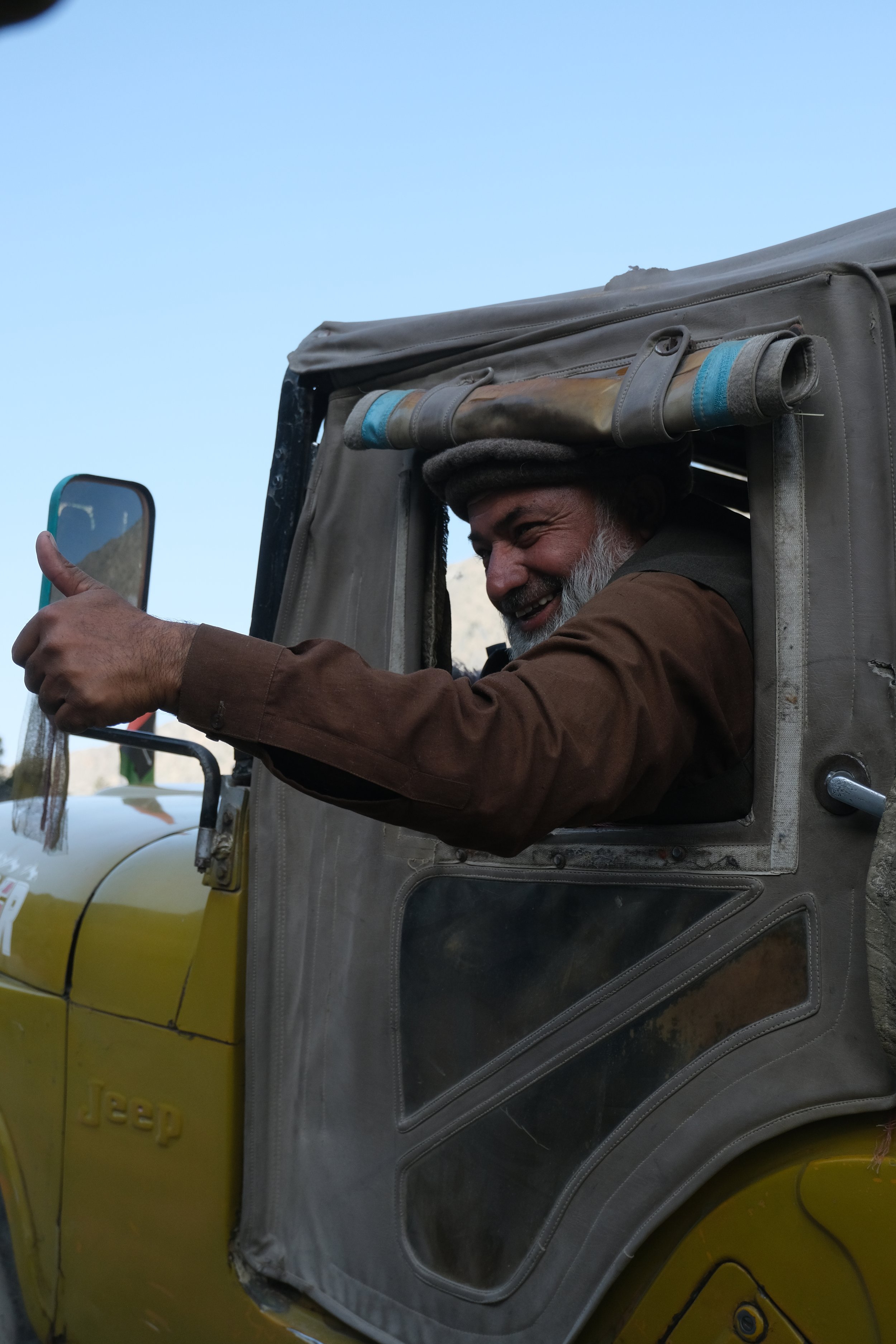
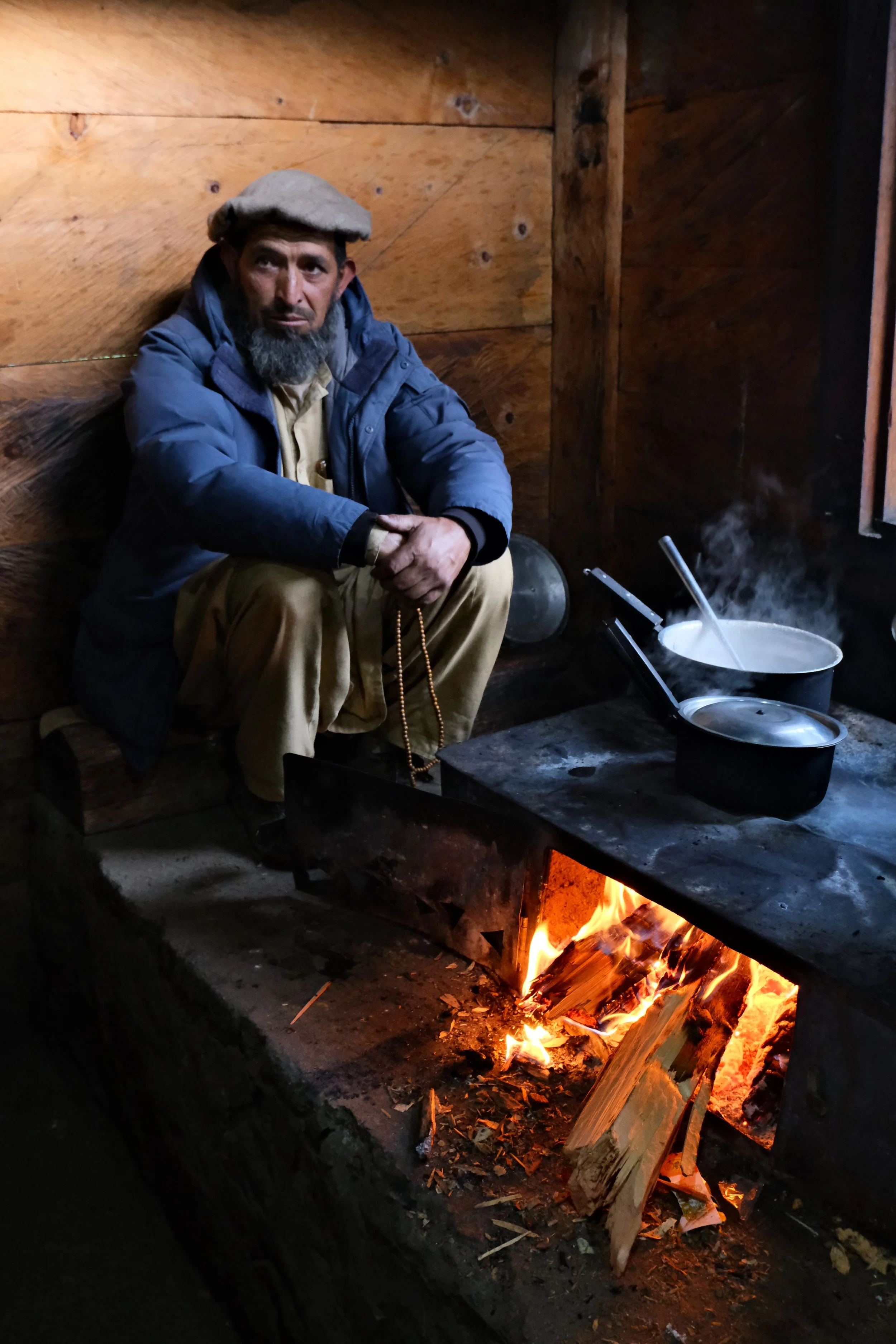
Pakistanis are incredibly warm, but also value respect and traditions. Always greet elders first, accept food and drink with your right hand, and ask before taking photos of people (especially women). Don’t be surprised if strangers offer you tea or food, hospitality is taken seriously, and these spontaneous interactions were some of my favorite memories.
Where to Stay: Accommodation
Pakistan offers an impressive range of accommodation options, from luxury hotels to budget-friendly guesthouses and homestays. The experience varies a lot depending on where you are, in cities, you’ll find modern hotels with full amenities, while in remote valleys, accommodations are more rustic but often nestled in breathtaking surroundings.
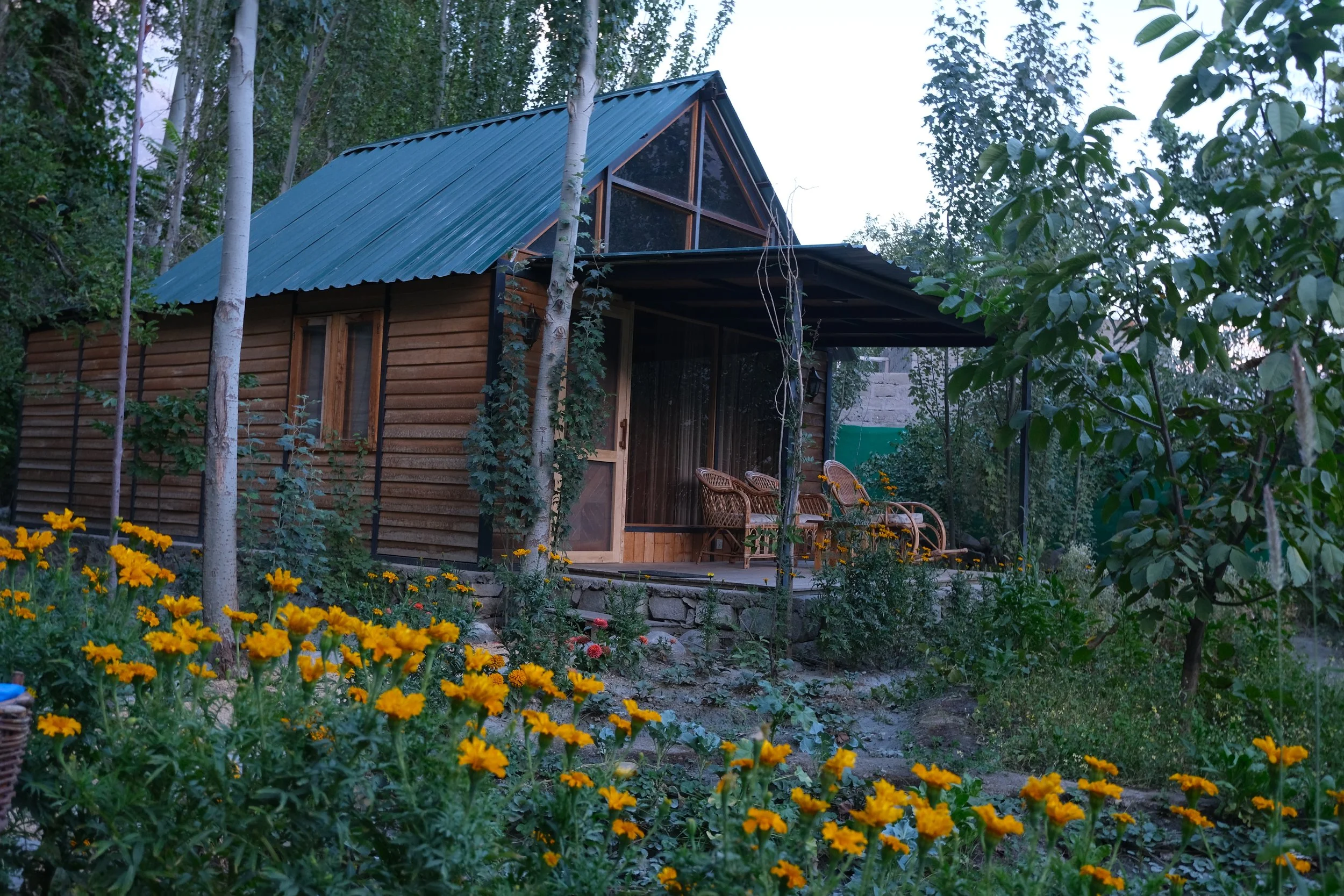
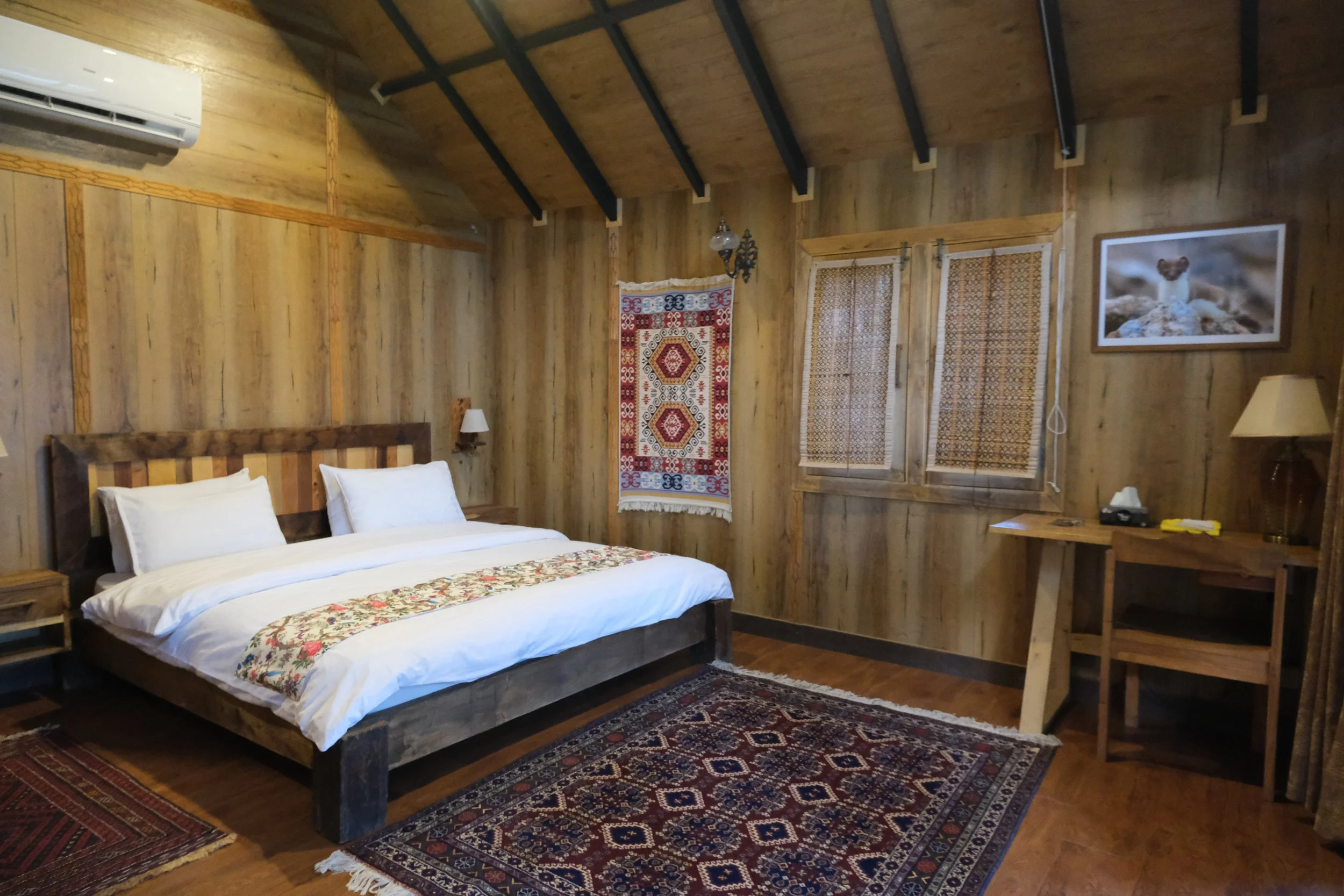
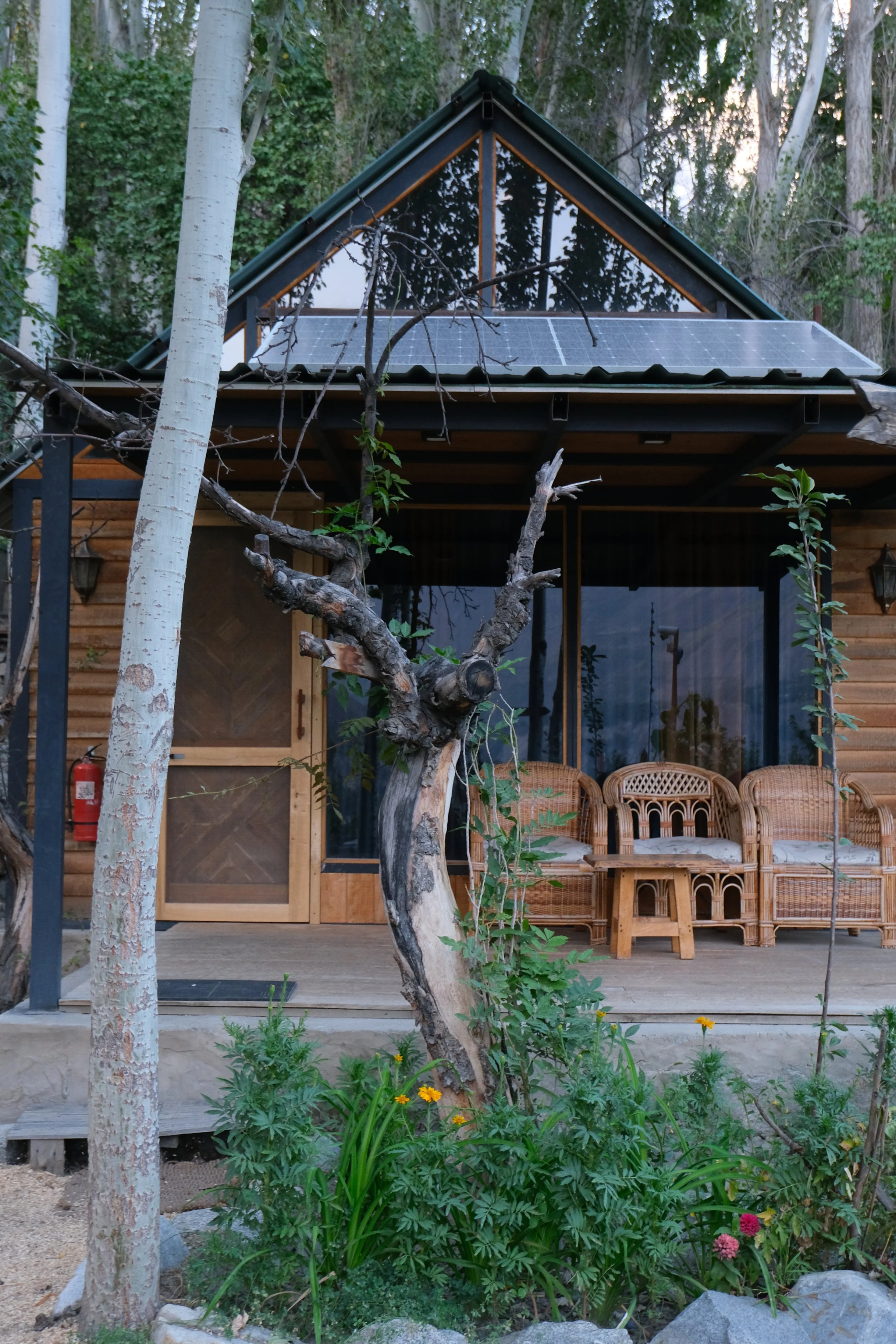
In Islamabad, I stayed at Hotel Foresta, which offered comfortable rooms, friendly service, and a convenient location near the city’s main attractions. For Skardu, Biafo Resort was my choice, a serene spot with stunning views of the surrounding mountains and easy access to lakes and treks. In Hunza, I split my stay between The 2 Magpies and Moksha Resorts. Both were excellent; The 2 Magpies provided a cozy, boutique-style experience with personalized service and a great restaurant, while Moksha Resorts offered spacious huts with incredible views of the valley and mountains, perfect for relaxing after a day of exploration.
Wherever you stay, booking in advance is recommended, especially in the northern areas, since these locations can fill up quickly during peak travel seasons. Staying in local guesthouses or boutique resorts also gives you a more authentic experience and the chance to connect with hosts who often have invaluable tips about hidden spots or local culture.
Best Itinerary & Routes for Traveling Pakistan
Planning a trip through Pakistan can feel overwhelming at first, the country is vast and wildly diverse. But that’s also what makes it so rewarding. Whether you’re drawn to ancient cities, dramatic mountain landscapes, or simply the road less traveled, Pakistan has something to offer every type of traveler. Below is a two to three week itinerary that covers both cultural highlights in the south and natural wonders in the north.
Week 1: Culture, Cities & the Road to the North
Your journey begins in Islamabad, the capital. Spend two days here enjoying the outdoors. The Faisal Mosque is iconic, and there are plenty of hiking trails in the Margalla Hills. You can also explore Lok Virsa Museum for a deep dive into Pakistan’s diverse cultures, or relax in the cafes of F-7 or F-6 sectors.
From Islamabad, make your way toward the mountains. If you have a few days to spare and want a quieter, less-touristy destination, consider traveling to Swat Valley or Malam Jabba. Swat is often called the “Switzerland of Pakistan,” with green valleys, rivers, and historical Buddhist sites. In winter, Malam Jabba becomes a ski resort, while in summer, it’s great for hiking and cool weather. It’s an excellent way to break up the journey before heading further north.
Week 2: Hunza, Skardu & the Mountains of Gilgit-Baltistan
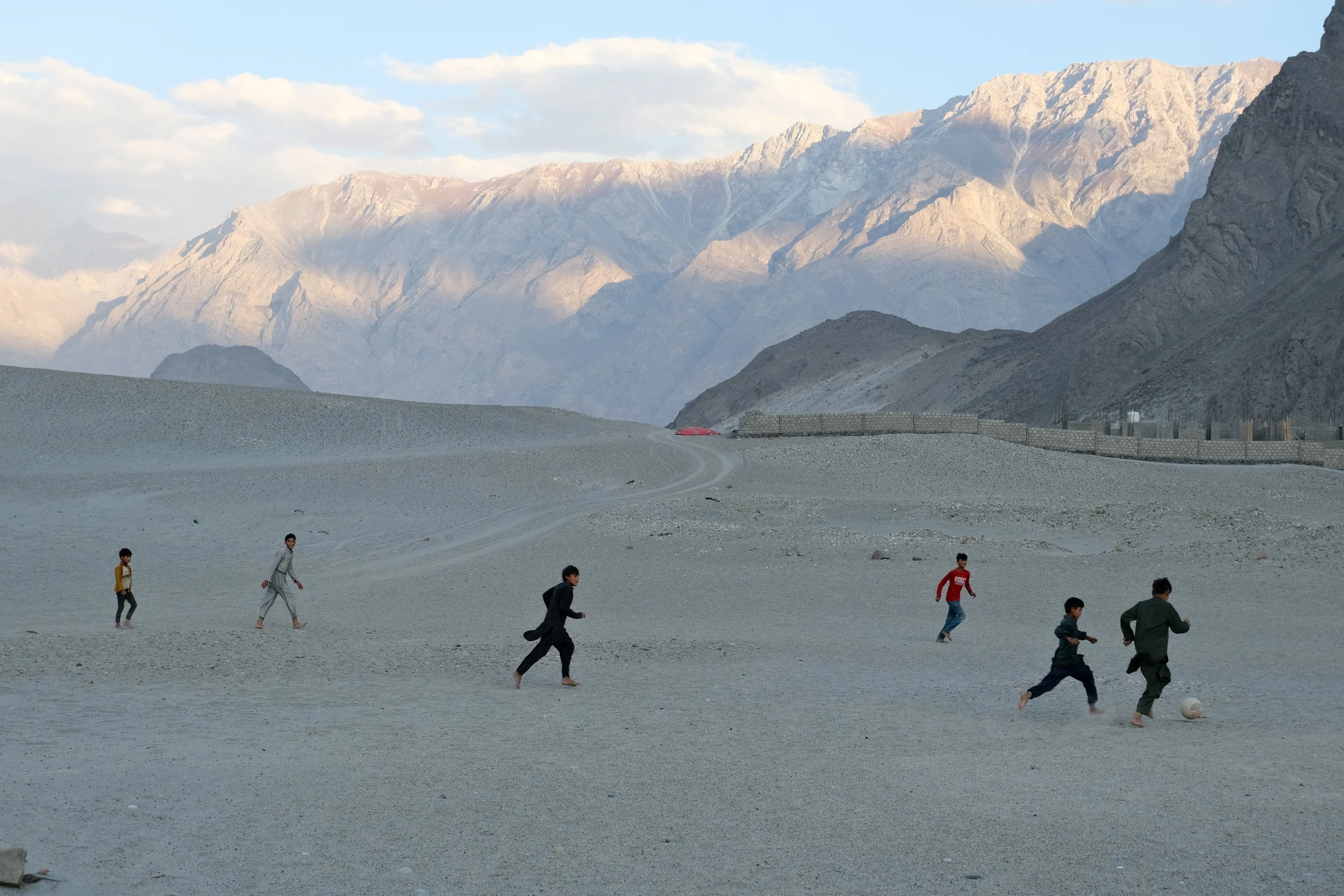
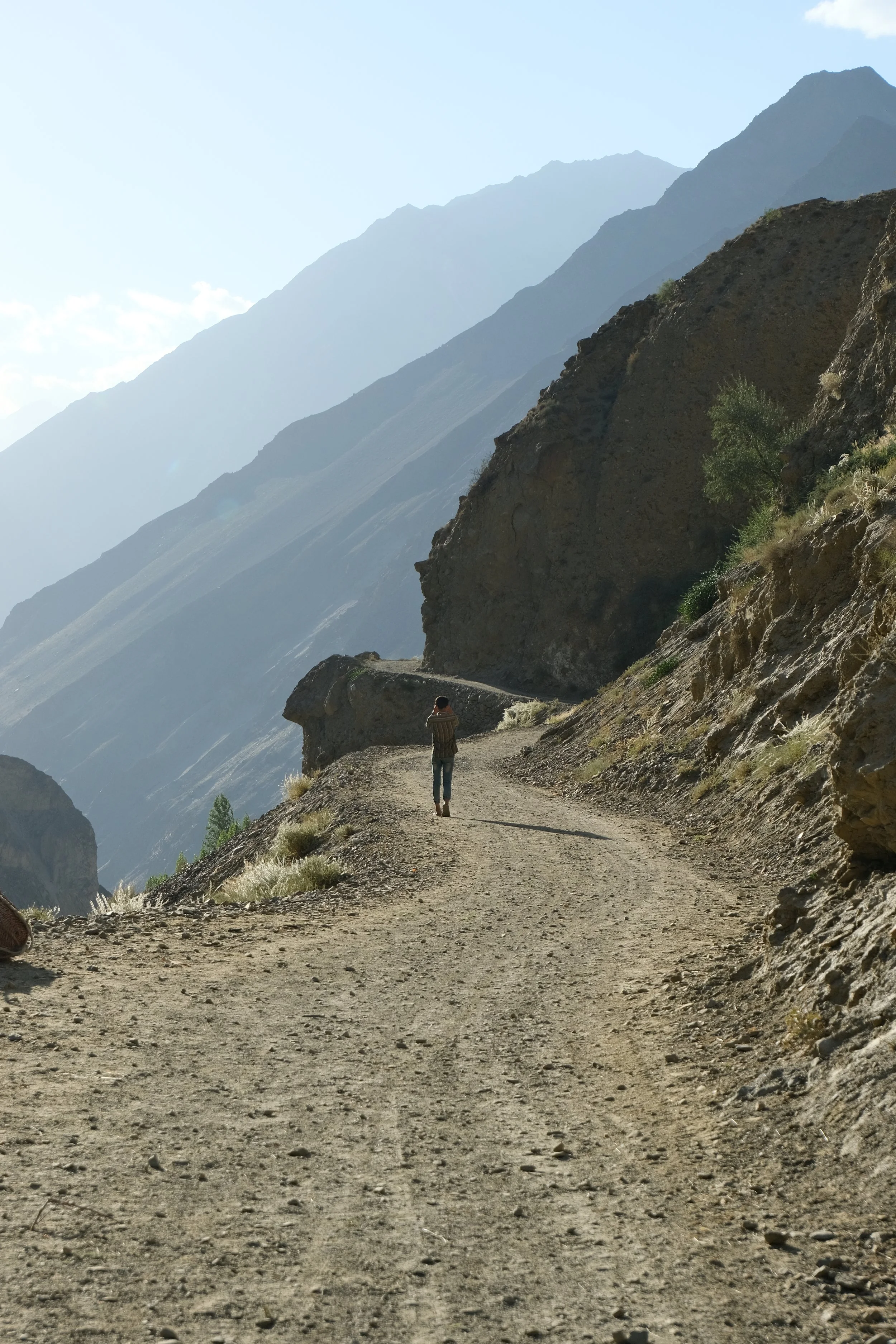
Next, begin your journey into the north, home to some of the world’s highest peaks and most dramatic scenery. I spent over 2 weeks here total, and I truly believe it’s one of the most beautiful places I’ve traveled. You don’t have to spend that long there though. I’d recommend at least 3-4 days if you start in Skardu. You can either get there by a flight or long drive. To book a flight, you can book it through: sastaticket.pk app). Things I recommend doing there: go on a day trip to Organic Valley with Big Sky Adventures, do the Marsur Rock hike, hit the shooting range, go for a jeep ride in the Cold Desert, and simply just walk around because you will feel the level of hospitality I keep on mentioning! More is listed in this post here.
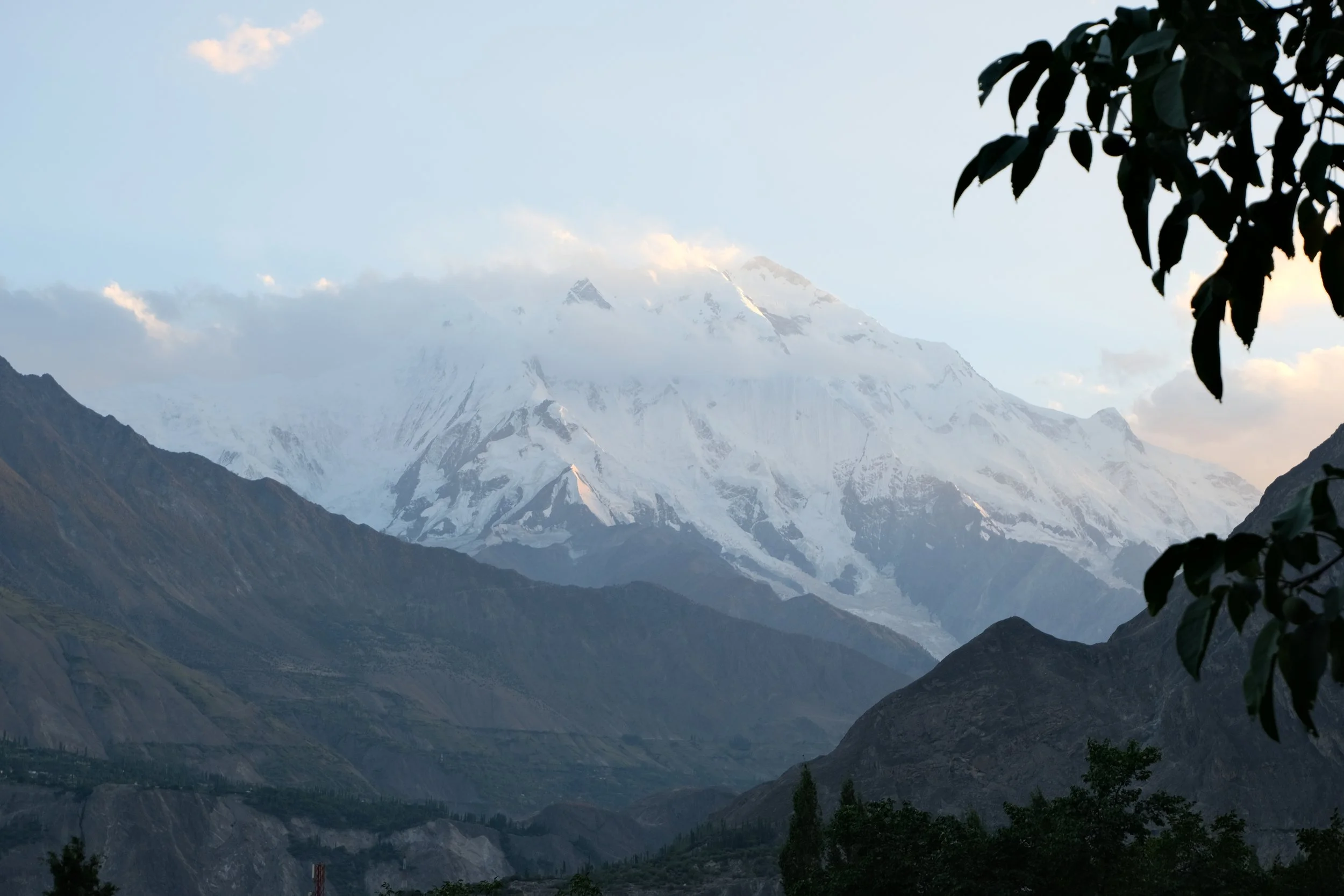
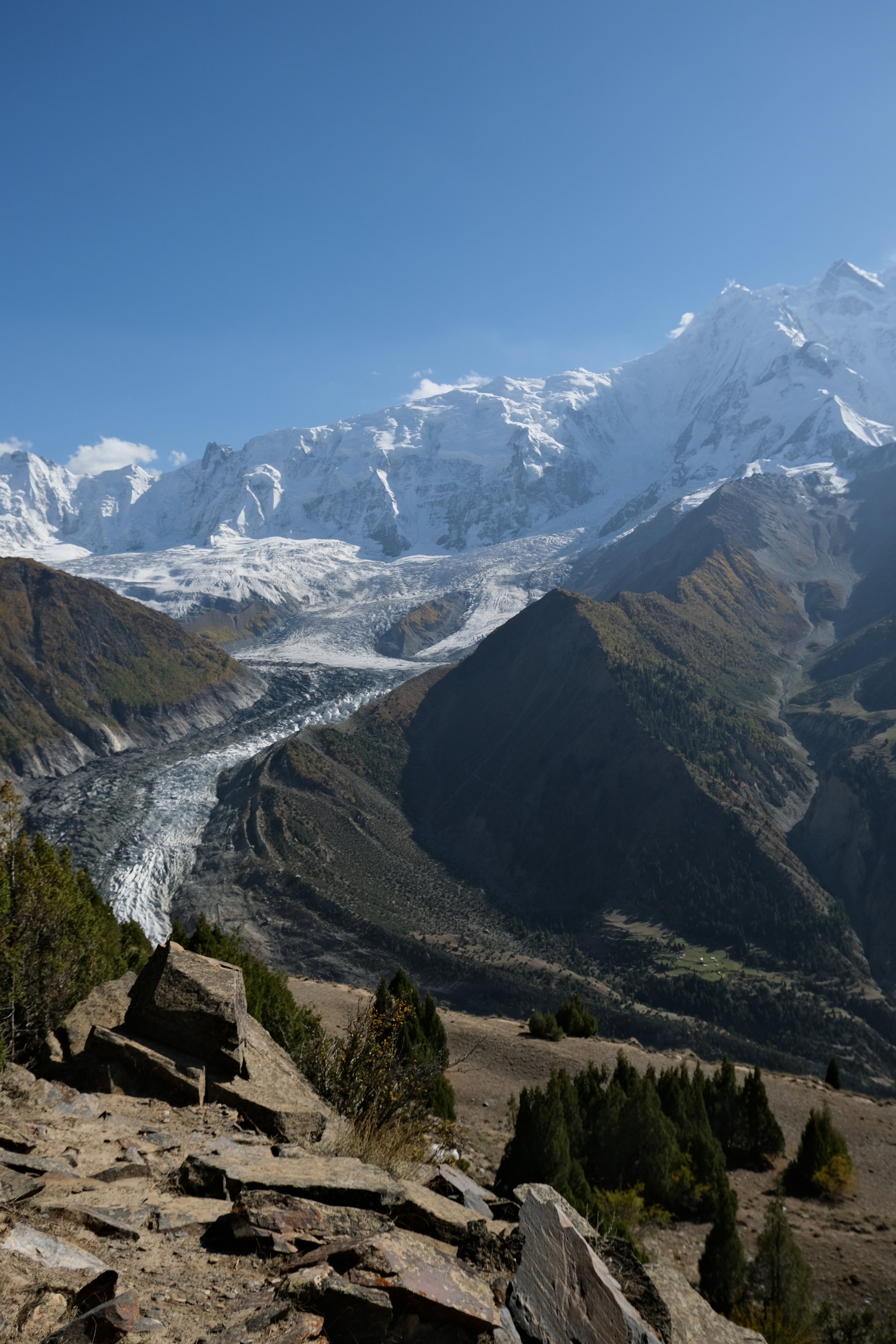
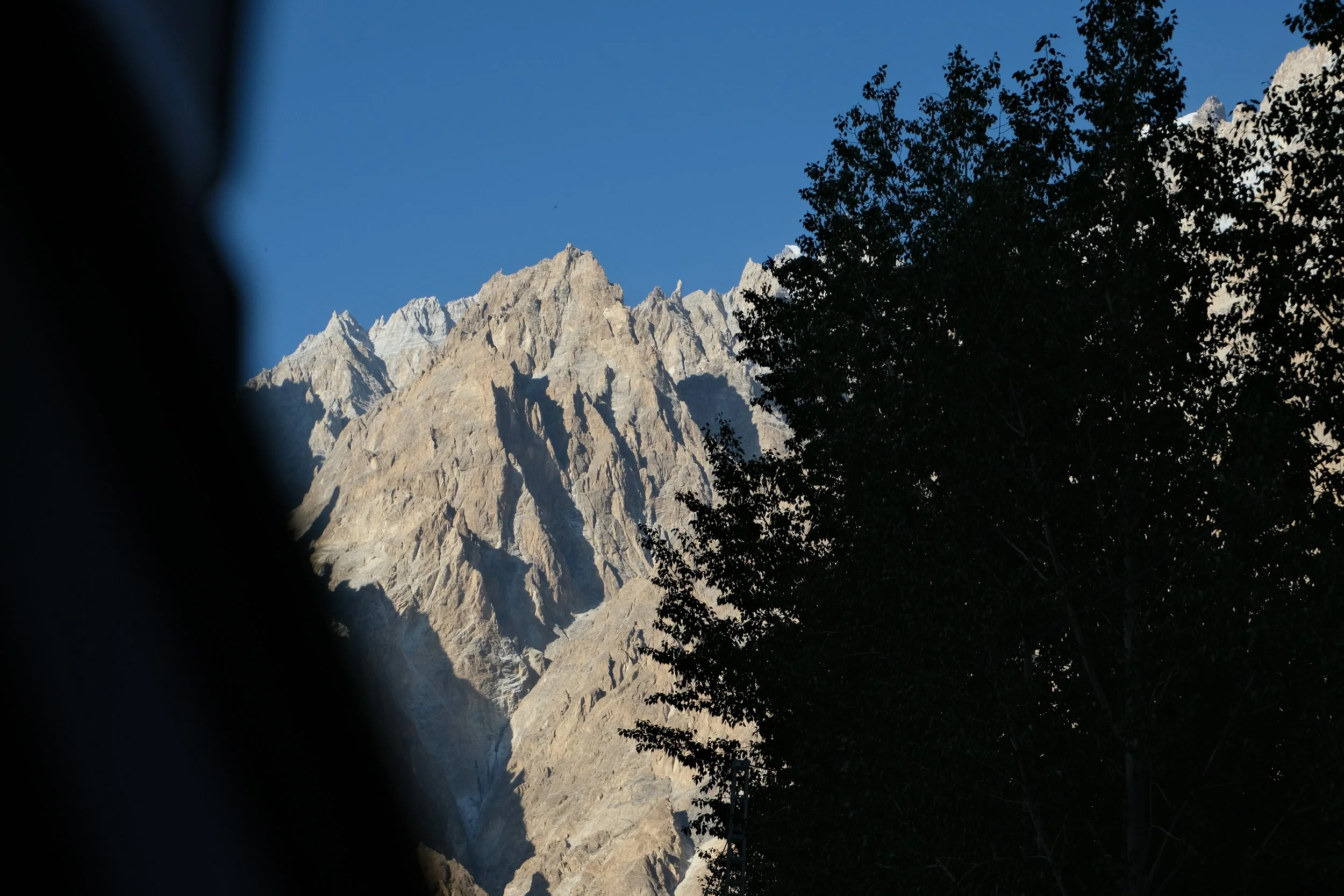
After Skardu, head to Hunza. You must hit the village of Passu, known for its jagged mountain peaks called the Passu Cones. From here, you can do short visits to Hussaini Suspension Bridge. This is where you can also hike the famous Rakaposhi Mountain. My favorite thing that I did in Hunza though was hike Patundas! You must check out my Instagram highlights for a sneak peak! It was my favorite hike in all of Pakistan, if not ever.
I personally booked my Patundas hike through The Big Sky Adventures, which made things much smoother since it is required to have a guide (for the glassier crossing).
Recap of how many days I’d suggest: 3-4 days in Skardu and 3-4 days in Hunza.
If You Have Extra Time
If you have more time, or want to explore further off the beaten path, there are several incredible extensions you can consider. Fairy Meadows, near Nanga Parbat, is a dream destination for trekkers. The trek isn’t too difficult, and the meadow views at sunrise are some of the best you’ll ever see. You’ll need to arrange a jeep from Raikot Bridge, and the trail up is steep (say say scary) but SO worth it.
I’d recommend 2 nights at Fairy Meadows.
Contacts & Travel Resources
Having the right contacts and tools at your fingertips can make a huge difference when traveling through Pakistan, especially in the more remote regions where information isn't always readily available online.
If you’re planning to explore the north — particularly Hunza, Skardu, Fairy Meadows, or anywhere that requires private transport, permits, or guided treks — I highly recommend working with a local tour operator. I personally booked many of my activities and accommodations through Ayazi Travel Guide and Big Sky Adventures, and they were incredibly helpful. They handled all the tricky logistics, including jeep rentals, hotel coordination, and access to places that would have been difficult to navigate on my own.
For transportation within cities, Careem and InDrive are the most reliable apps. I used both regularly, Careem works well if you prefer set fares, while InDrive lets you negotiate prices directly with drivers, which is often cheaper. For intercity travel, Faisal Movers and Daewoo Express offer comfortable bus services between major cities and towns, and both companies allow you to book tickets online or through mobile apps.
If you're heading into rural or remote areas, downloading offline maps is a must. Google Maps (with offline areas saved) and Maps.me worked well for me in the north, where mobile coverage is hit or miss. These apps also helped when asking locals for directions, many of whom will guide you using landmarks rather than street names.
Finally, while emergencies are rare, it’s worth saving a few national hotline numbers just in case. The police can be reached by dialing 15, ambulance services via 1122, and fire services at 16. In remote regions, you’ll mostly rely on local support, so having your tour guide or guesthouse host as a point of contact is often more practical than calling an emergency number.
Final Thoughts
Traveling through Pakistan was one of the most eye-opening and enriching journeys I’ve ever taken. Yes, it has its challenges, the distances are long, the infrastructure can be unpredictable, and things don’t always go according to plan. But what you get in return is something far deeper: genuine human connection, breathtaking landscapes, and a real sense of adventure.
From chai shared with strangers in roadside cafés to sunrise over snowcapped peaks, Pakistan left me with memories that I know will stay with me for a lifetime. If you're considering a trip here, I can only encourage you to take that leap. Come with an open mind, travel respectfully, and embrace the unexpected. The country will reward you in ways you can't plan for and that’s what makes it so unforgettable.
If you want to see some behind-the-scenes footage of my travels, check out @alexamcdonald in Instagram!

Here are some of my favorite travel resources:
Book tours & experiences with Get your Guide
Travel the world while volunteering with Worldpackers
Get reliable travel insurance with Safety Wing
Stay connected abroad with an eSIM from Ubigi
Save money on accommodations by housesitting with Trusted Housesitters
Book your hotel stay with Booking.com
Book budget-friendly hostels with Hostelworld
Get cheap flight alerts & deals with Going
Fly for free with my favorite travel credit card
Stay protected online with NordVPN
Disclaimer: This post may contain affiliate links, meaning that if you make a purchase through those links, I may earn an affiliate commission at no extra cost to you. Thank you for helping to support me and this site!
