
How to Travel Sri Lanka by Tuk Tuk: Cost, Safety, Routes & Rental Tips (Ultimate Guide)
Why I Chose a Tuk Tuk to Explore Sri Lanka
When I first thought about traveling around Sri Lanka, I imagined crowded buses, winding mountain roads, and blissful coastal sunsets. But what truly captured my heart was the idea of doing it all in a tuk tuk, that iconic three-wheeler that hums through narrow alleys, and past tropical palms. Something about driving with no rigid schedule and nothing but the open road, felt deeply liberating.
Exploring Sri Lanka by tuk tuk isn’t just about getting from A to B, it’s about embracing spontaneity. On my journey, my friend and I stopped for roadside mangoes so sweet I couldn’t get enough, pulled over to watch a waterfall tucked behind green hills, and discovered secret beach coves no guidebook mentioned. There’s a rawness to tuk-tuk travel that makes you feel like a local, not just a tourist.
This guide is for anyone who’s curious about doing the same, backpackers, digital nomads, adventurous couples, or anyone who wants to slow down and see Sri Lanka on their own terms. I’ll walk you through everything you need to know: the legal stuff, how to rent a tuk tuk safely, what it costs, and what the drive itself feels like. Because once you’re cruising in that little three-wheeler, the entire island feels like it’s yours to explore.
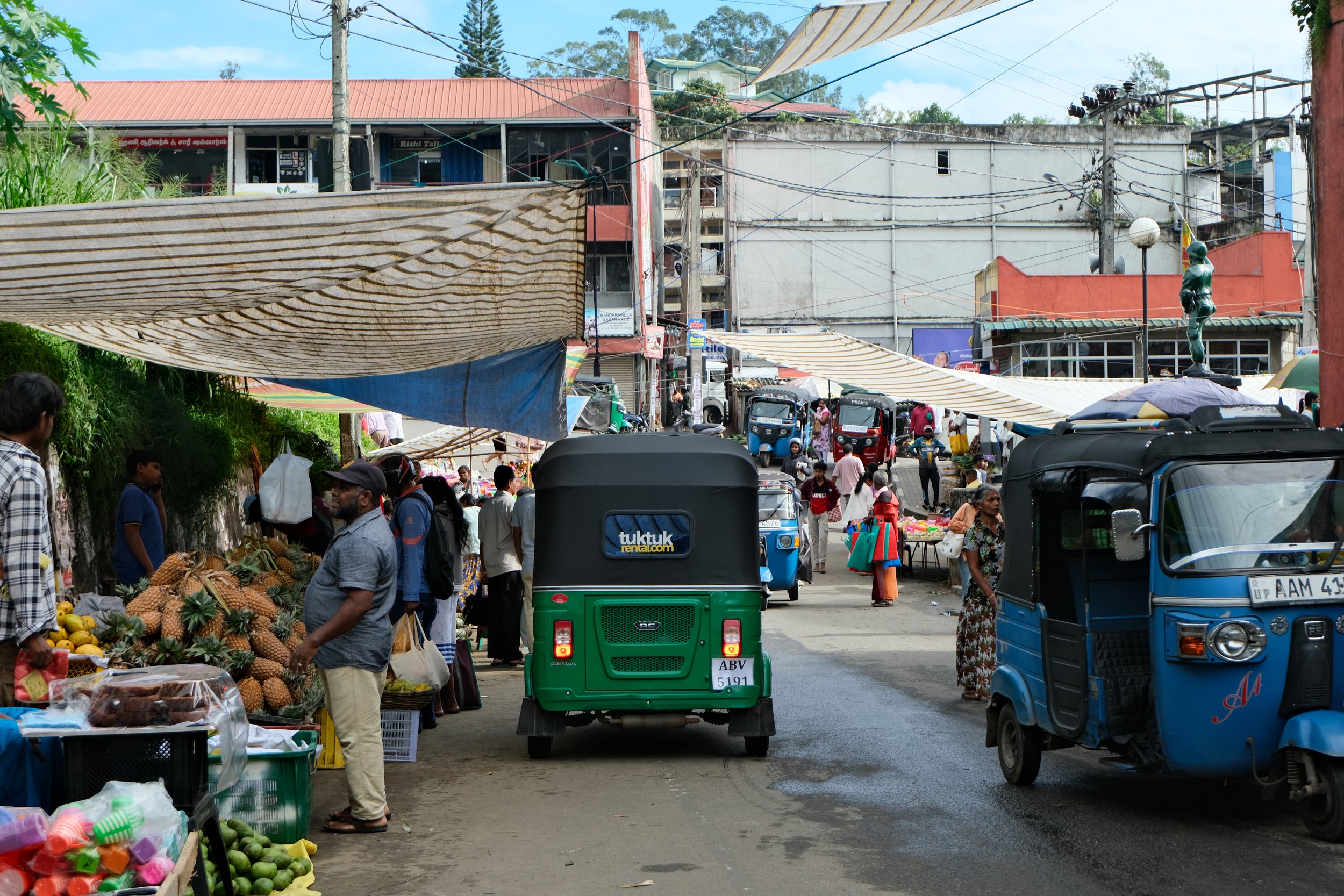
Is It Legal to Drive a Tuk Tuk in Sri Lanka?
Yes, you absolutely can legally drive a tuk tuk in Sri Lanka, even as a foreign traveler. It may feel a little surprising at first, but once you understand the paperwork, it’s quite doable. The two most important documents are an International Driving Permit (IDP) and a Sri Lankan temporary driving license, both of which you will need to have tucked in your glove compartment before you hit the road. You’re in good hands though because I’m about to tell you who sorts it out for you.
Firstly, my friend got his IDP at home before flying over; which made things easier. But that’s only half the battle. In Sri Lanka, you also need a local permit. Most tuk-tuk rental companies will help you sort this out, which was such a relief, but if you’re doing it on your own, you can go to the Department of Motor Traffic in Colombo. It takes just an hour or two, depending on how busy things are, and the staff are generally helpful. Below I share which tuk tuk company we went with.
Secondly, the cost? For me, it came out to roughly USD 20–40, depending on exactly how the rental company arranged it or whether I handled it directly. It felt like a small price to pay for the freedom to explore on my own terms. With all that in place, you’ll be ready to drive legally, and any roadside check, which happen, usually goes smoothly once the permit is in hand.
How to Rent a Tuk Tuk in Sri Lanka
Renting a tuk tuk in Sri Lanka is more than just signing some papers and getting the keys, it’s about trust, support, and knowing that you’re not left stranded on a dusty backroad with no help. When I looked around, I made it my priority to find a company that offered proper insurance, 24/7 roadside assistance, and a tuk tuk that actually worked well. Because once you’re on the road, those are the things you’ll be thanking yourself for.
I decided to go with the most popular, tuk tuk rentals. My rental came with everything I needed: a sturdy tuk tuk freshly serviced, a phone holder, and a lesson to understand the vehicle. I loved that the staff took a little time to show us how to drive it, how to use the brakes, when to shift, how to handle the steering, which was invaluable, because nothing tests your confidence more than turning sharply in a three-wheeler for the first time.
As for the price, you can pay about USD 12–20 per day, depending on which tuk tuk you want. If you’re only going to go for a couple of days, the cost is higher, but for longer trips, these companies often do weekly or even monthly discounts. Before we drove off, we made sure the tuk tuk was in good shape: We checked the brakes, the lights, the tires, and we documented any existing scratches. Then we took it for a 10-minute spin around the block, just to feel how it handled, how the steering felt, and how it sounded.
What to Know Before You Hit the Road
Sri Lankan traffic has its own rhythm. Buses barrel past like they own the road, dogs wander wherever they please, and scooters zip around you. But once you settle in, you’ll notice that the chaos is strangely predictable, people honk to communicate, not to yell, and there’s an unexpected courtesy in the way traffic flows. The trick is to stay calm, keep your speed reasonable, and avoid driving after dark when possible. Night driving might sound romantic, but potholes and unlit roads make it much more stressful than it’s worth.
Breakdowns can happen, of course, these machines work hard. But good rental companies offer 24/7 support, and roadside mechanics in Sri Lanka have a magical ability to fix almost anything with a handful of tools. I carried a small emergency kit and extra water, but honestly, the most useful thing you’ll bring is patience and a sense of humor.
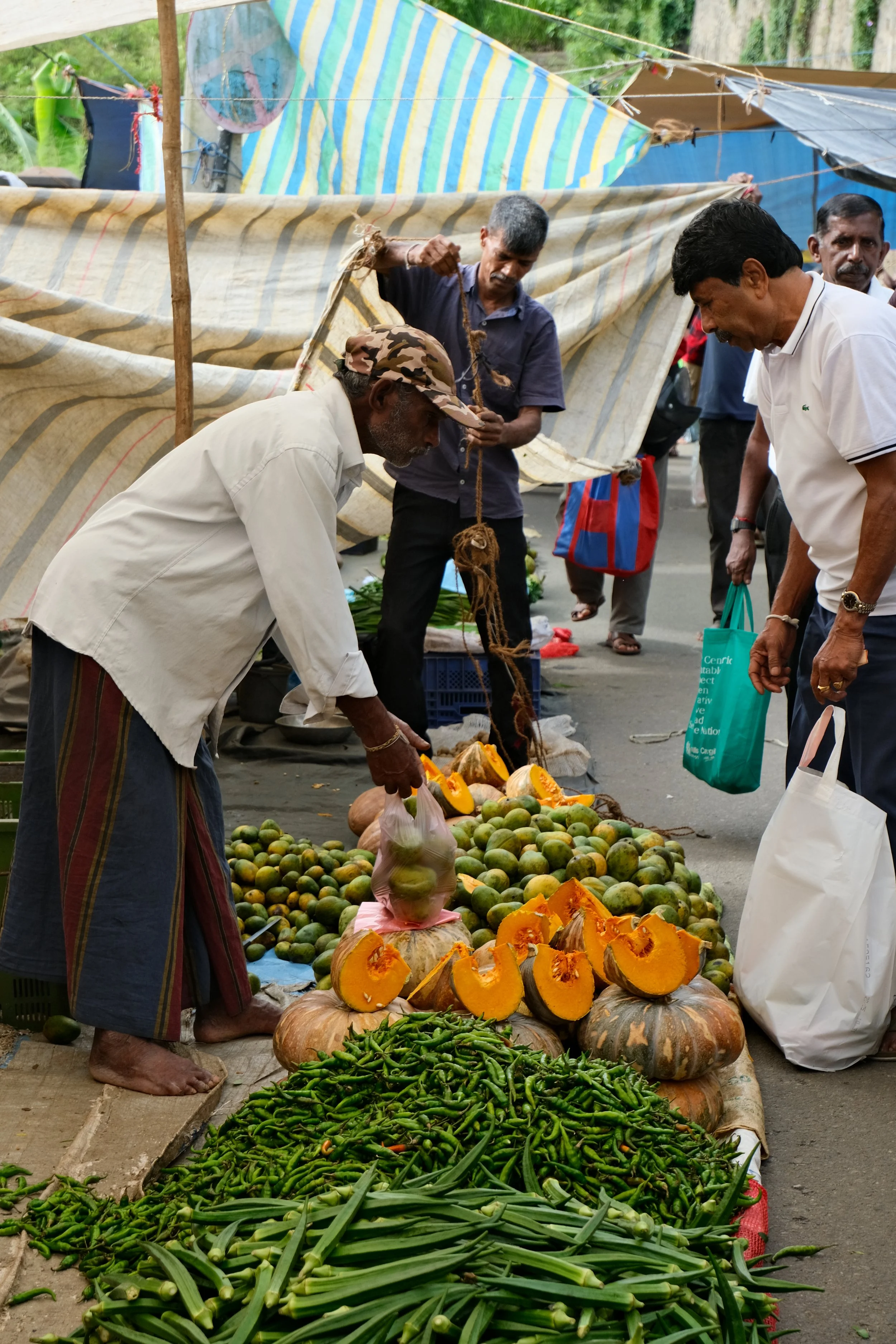
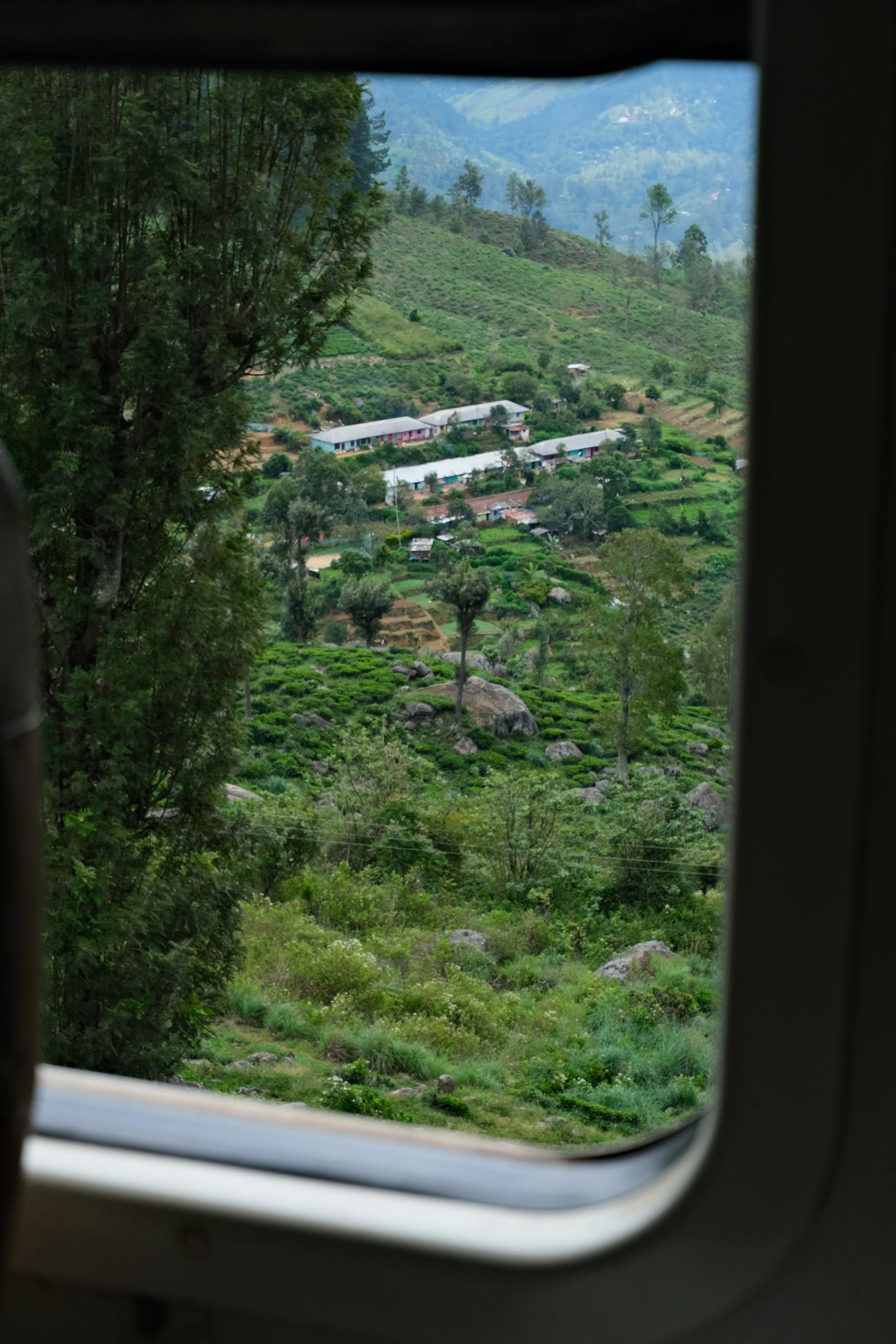
The Best Tuk Tuk Routes in Sri Lanka
One of the best parts of having your own tuk tuk is the freedom to explore at your own pace. Sri Lanka may look small on a map, but every region feels completely different, and driving through them connects you to the landscape in a way you just can’t get from a train or private driver. Here are the routes that made me fall in love with the island.
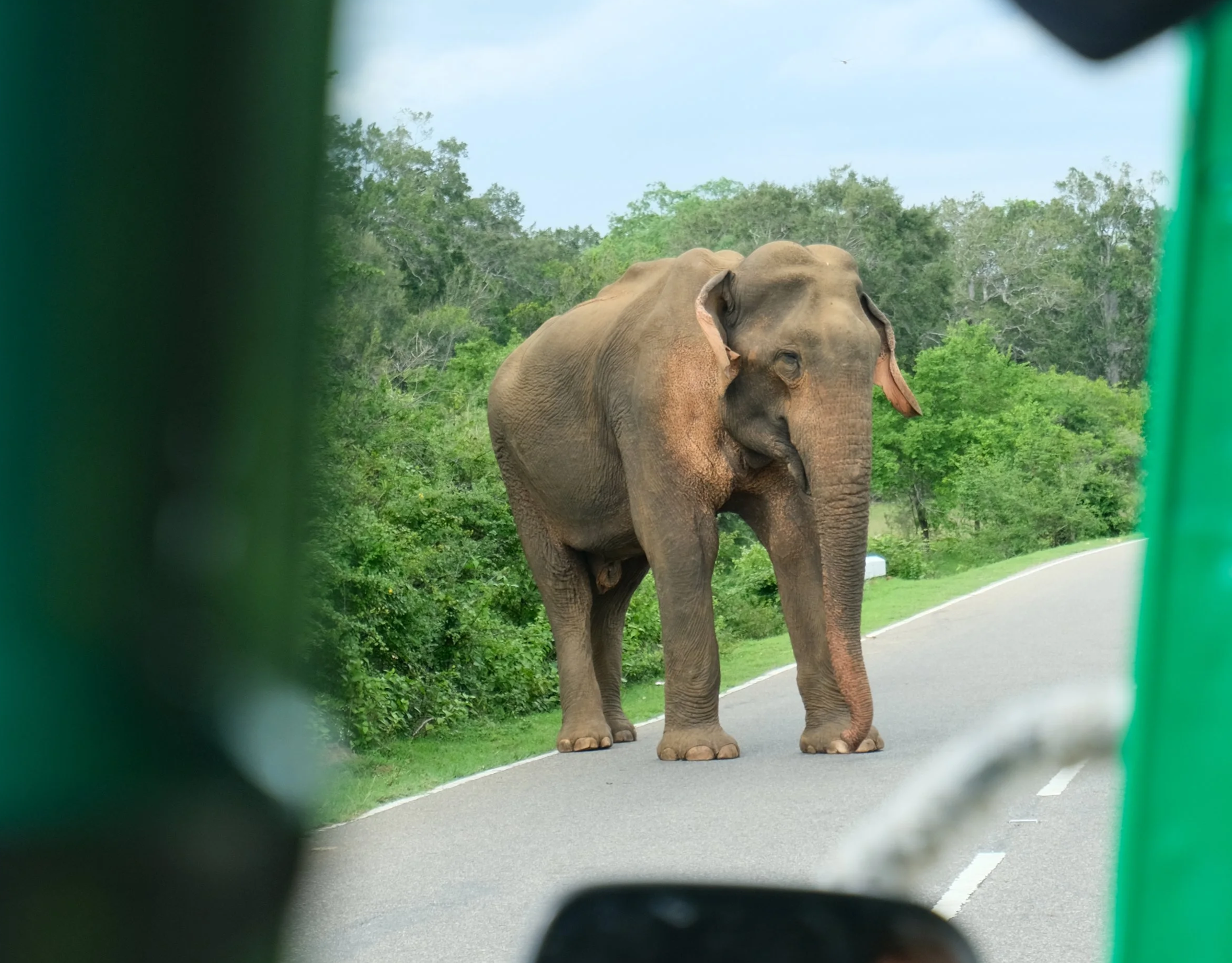
The Cultural Triangle is a perfect starter route. Roads here are wide and manageable, and the scenery swings from jungles to ancient ruins in minutes. Cruising between Sigiriya, Dambulla, Polonnaruwa, and Kandy feels like stepping through thousands of years of history, and you can pull over for elephants if you’re lucky, though definitely while keeping a respectful distance.
From Kandy, the climb into the Hill Country is one of the most beautiful drives I’ve ever done. The air gets cooler, the roads wind like ribbon, and the tea plantations spread out like green quilts over the hills. Driving into Ella, windows open, engine humming, feels like entering a different world.
Then there’s the South Coast, which is pure tropical bliss. From Mirissa to Weligama, Hiriketiya, and Galle, the road hugs the ocean so closely you can smell the salt in the air. It’s the easiest region to drive, too, with long flat stretches and plenty of places to stop for a coconut.
If you’re feeling adventurous, the East Coast, especially Arugam Bay and Trincomalee, is worth the detour, particularly during surf season. And for the truly curious, heading all the way north to Jaffna feels like discovering a side of Sri Lanka most travelers never see. The landscapes shift, the culture changes, and the drive becomes as interesting as the destination itself.
A full list of recommendations can be found on tuk tuk rentals website.
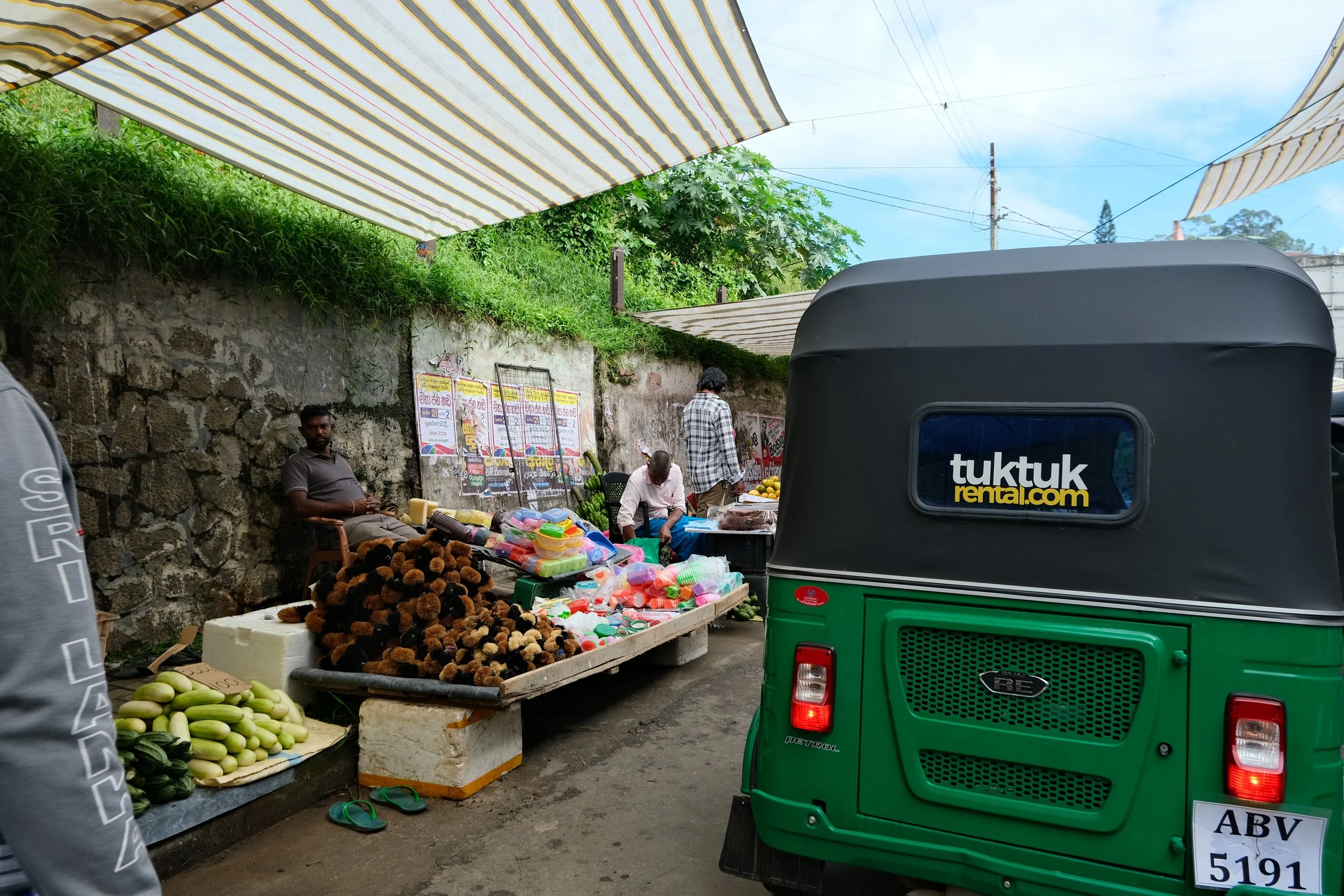
The Daily Costs of Traveling Sri Lanka by Tuk Tuk
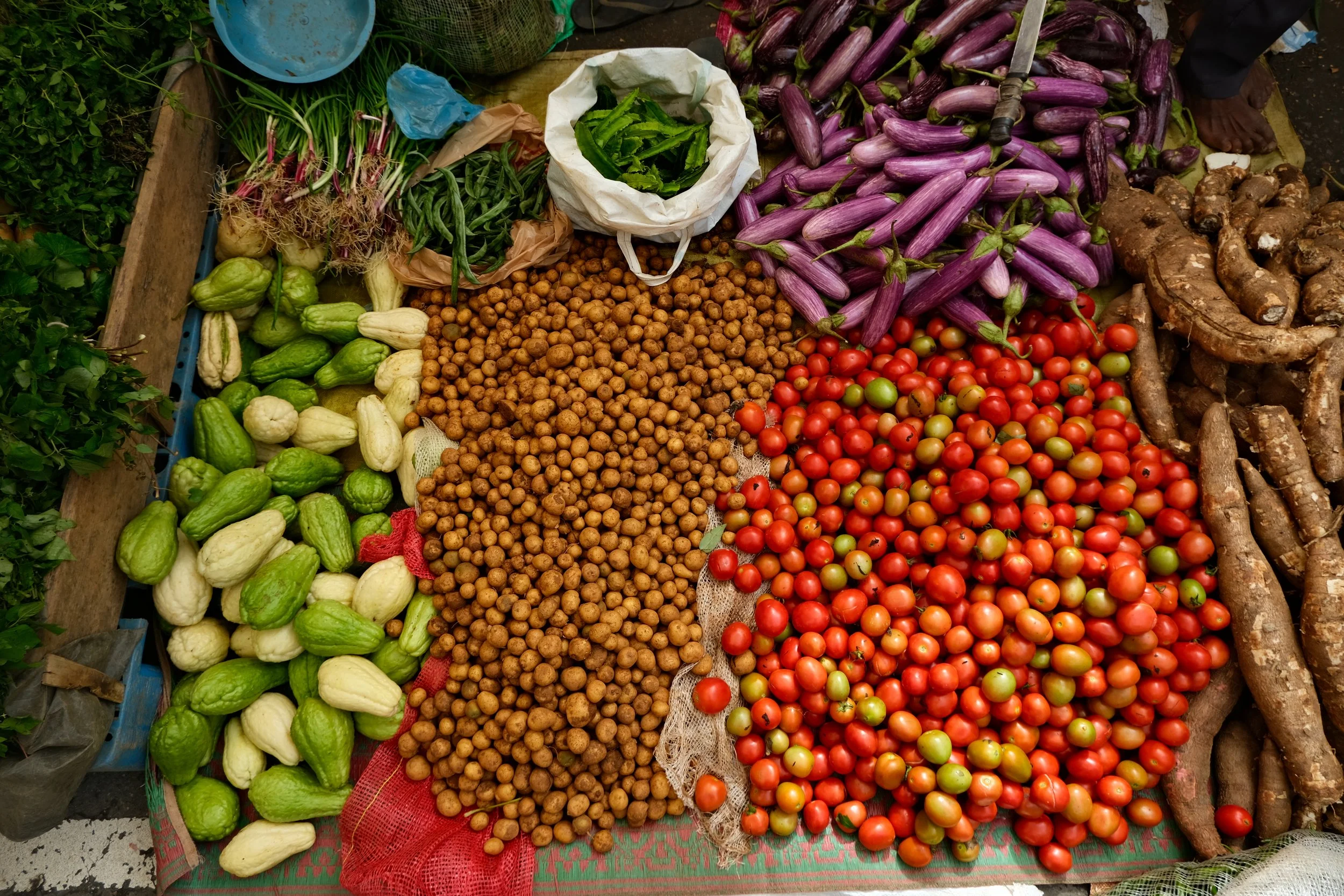
One of the biggest reasons tuk-tuk travel is so popular among long-term travelers is the cost. Once you’ve paid for the rental itself, your daily expenses drop significantly. Fuel is surprisingly cheap, and tuk tuks sip petrol rather than guzzle it; I could drive for hours on what felt like pocket change. Even with a full day of exploring, I spent only a few dollars on fuel.
There aren’t road tolls for tuk tuks, and parking is usually as simple as pulling up to your guesthouse or asking a café owner if you can leave your three-wheeler out front. Most places are used to travelers arriving in their own tuk tuk and won’t mind at all.
If you’re budgeting, it’s incredibly doable. For backpackers and budget travelers, the combination of an affordable rental, cheap fuel, and freedom to choose off-the-beaten-path accommodations makes a tuk tuk one of the most economical ways to explore the island. For couples or digital nomads, the flexibility is priceless, no waiting for trains, no haggling with taxi drivers, no rigid schedules. Just you, your tuk tuk, and the open road.

Where to Stay When Traveling by Tuk Tuk
Finding accommodation in Sri Lanka is wonderfully easy, especially when you’ve got your own tuk tuk. Almost every guesthouse, homestay, and small hotel has space to park, and hosts are generally delighted when you roll up in your own three-wheeler, it instantly makes you more of a traveler than a tourist in their eyes.
I usually booked places with a bit of outside space, which made unloading bags and securing the tuk tuk for the night much simpler. If you’re unsure, just send a quick message before you arrive; locals are warm and incredibly helpful, and they’ll happily point you to a safe spot, even if it's just under a mango tree in the garden. Parking is free almost everywhere, and you’ll rarely run into restrictions unless you’re staying in a busy city center.
Because you’re not relying on public transport, you can choose stays slightly outside the main tourist zones, often quieter, cheaper, and more authentic. I loved waking up in homestays tucked into rice fields or jungle edges, with my tuk tuk waiting just a few steps from the front door.
Where I stayed shortcut:
Hiriketiya: Slow life coliving by Nomadico
Ella: MAYA 44, ELLA
Sigiriya: Panoramic Royal Villa
Essential Apps, Maps & Tools
Tuk-tuk travel might feel charmingly simple, but having the right tools makes the journey much smoother. Offline maps were my lifeline, especially in rural areas where phone signal dips without warning. Google Maps works well for main roads, but Maps.me often does a better job with tiny mountain shortcuts and backroads.
A local SIM card is a must. Most rental companies help set this up, but if not, you can grab one from Dialog or Mobitel at the airport or in any town. It’s cheap and gives you access to live navigation, weather updates, and the ability to call your rental company if something goes wrong.
I also carried a portable charger, and a lightweight rain jacket within easy reach. Sri Lanka’s weather can change in seconds, especially in the Hill Country, and driving through tropical rain in an open-sided vehicle is a very particular kind of adventure.
Pros and Cons of Traveling Sri Lanka by Tuk Tuk
Like any form of slow travel, exploring Sri Lanka by tuk tuk has its highs and lows, though, in my experience, the highs absolutely win.
The biggest pro is the freedom. You can stop anywhere, take the small roads, chase sunsets, share a road with wild elephants, or skip entire towns if you feel like it. The cost is incredibly reasonable, and you meet locals constantly, people wave, children shout hello, and you’ll end up having random conversations at fuel stations that make your whole day.
But there are a few challenges worth being honest about. Long driving days can be tiring, especially in the heat. You’re exposed to the elements, so rain (or intense sunshine) becomes part of the journey whether you like it or not. And while tuk tuks are sturdy, they’re not immune to the occasional rattle or hiccup. Still, with a good rental company behind you, these moments turn into stories rather than problems.
Frequently Asked Questions
Is it safe to drive a tuk tuk in Sri Lanka?
Yes, as long as you’re cautious, avoid driving at night, and give buses plenty of room. After the first hour, most people feel surprisingly confident.
Do I need driving experience?
Some helps, of course, but many travelers learn on the spot. The controls are simple, and you’ll get used to the rhythm quickly.
How long should I rent a tuk tuk for?
Anything from a few days to several weeks works, but a week or more gives you time to explore without rushing.
Can solo female travelers do this?
Absolutely. Many do. The tuk tuk gives you independence, and locals are overwhelmingly friendly and helpful.
Is it allowed inside national parks?
No, but you can drive up to the entrance and join a proper safari jeep from there.
Final Tips From My Experience
If I could give just one piece of advice, it’s this: take your time. Sri Lanka is small, but it’s not a country you want to rush through. Plan short driving days so you can stop for unexpected detours, the best parts of my trip weren’t planned; they just happened because I wasn’t in a hurry.
Pack light, bring sun protection, and always keep a little cash for fuel stations in rural areas. And most importantly, embrace the unpredictability. Some days you’ll cruise under blue skies with the wind in your hair; other days you’ll be dodging rain clouds or coaxing your tuk tuk up a hill. It’s all part of the journey.
Final Thoughts
Traveling around Sri Lanka by tuk tuk changed the way I see the country, and the way I travel in general. There’s something magical about being so connected to the landscape, the weather, the smells, and the constant hum of life around you. With a little paperwork, a good rental company, and a willingness to go with the flow, you’ll unlock a whole new version of Sri Lanka that most visitors never experience.
If you’re ready for an adventure that’s equal parts chaotic and beautiful, renting a tuk tuk through tuk tuk rentals might just be the perfect way to explore the island. And once you’re on the road, don’t be surprised if it becomes your favorite travel memory, it certainly became one of mine.

Here are some of my favorite travel resources:
Book tours & experiences with Get your Guide
Travel the world while volunteering with Worldpackers
Get reliable travel insurance with Safety Wing
Stay connected abroad with an eSIM from Ubigi
Save money on accommodations by housesitting with Trusted Housesitters
Book your hotel stay with Booking.com
Book budget-friendly hostels with Hostelworld
Get cheap flight alerts & deals with Going
Fly for free with my favorite travel credit card
Stay protected online with NordVPN
Disclaimer: This post may contain affiliate links, meaning that if you make a purchase through those links, I may earn an affiliate commission at no extra cost to you. Thank you for helping to support me and this site!
